February 20, 2026
Commercial land clearing is a foundational activity in industries like real estate, agriculture, and environmental management. It involves removing trees, shrubs, and other obstacles to prepare land for construction, agriculture, or restoration projects. The significance of a commercial land clearing company lies in its ability to optimize land use, enhance accessibility, and prepare sites for development. Proper land clearing can significantly impact project timelines and success, making it a crucial consideration in project planning. As demand for land increases, professional land clearing helps to sustainably manage and utilize available space.
Economic Benefits of Professional Land Clearing
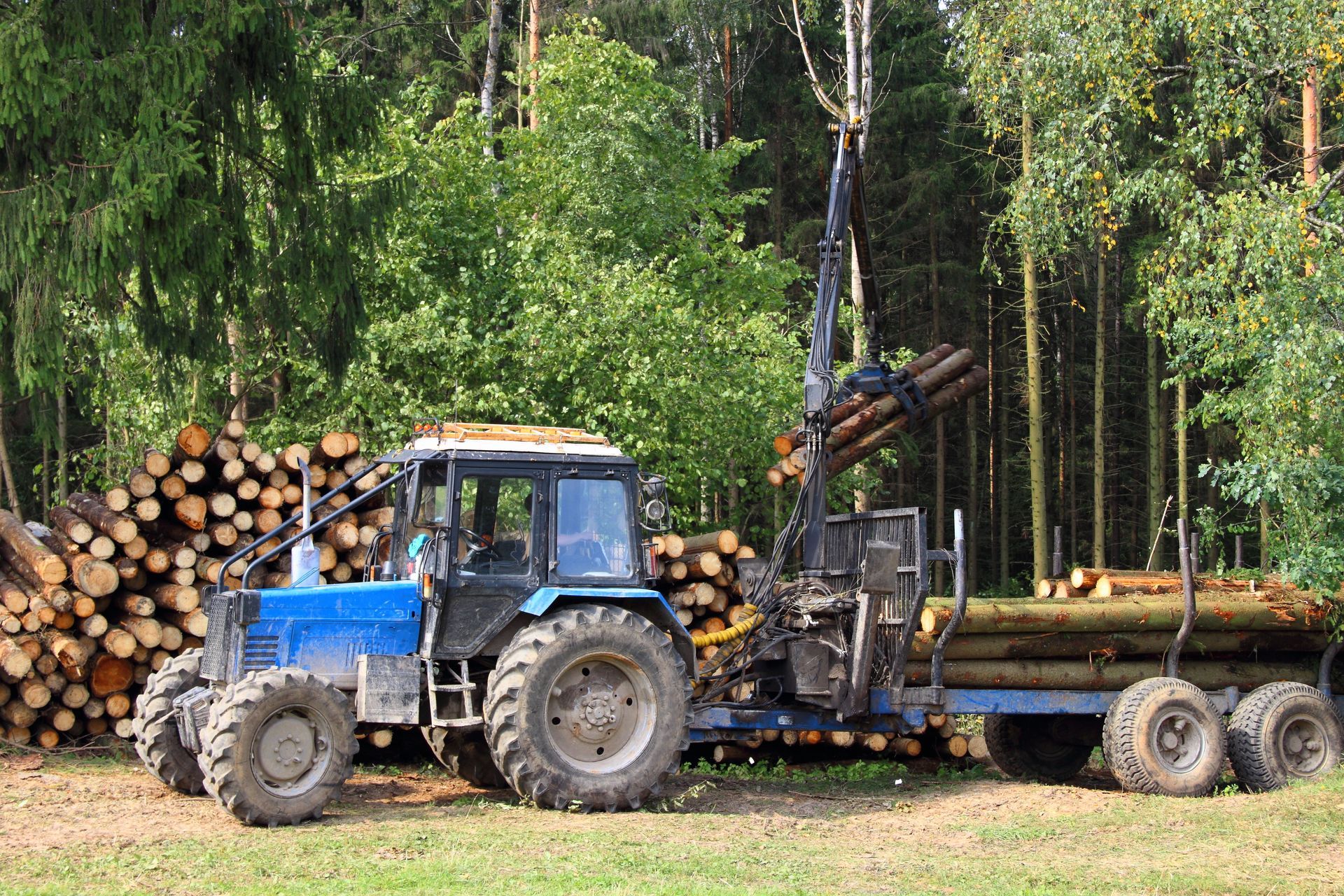
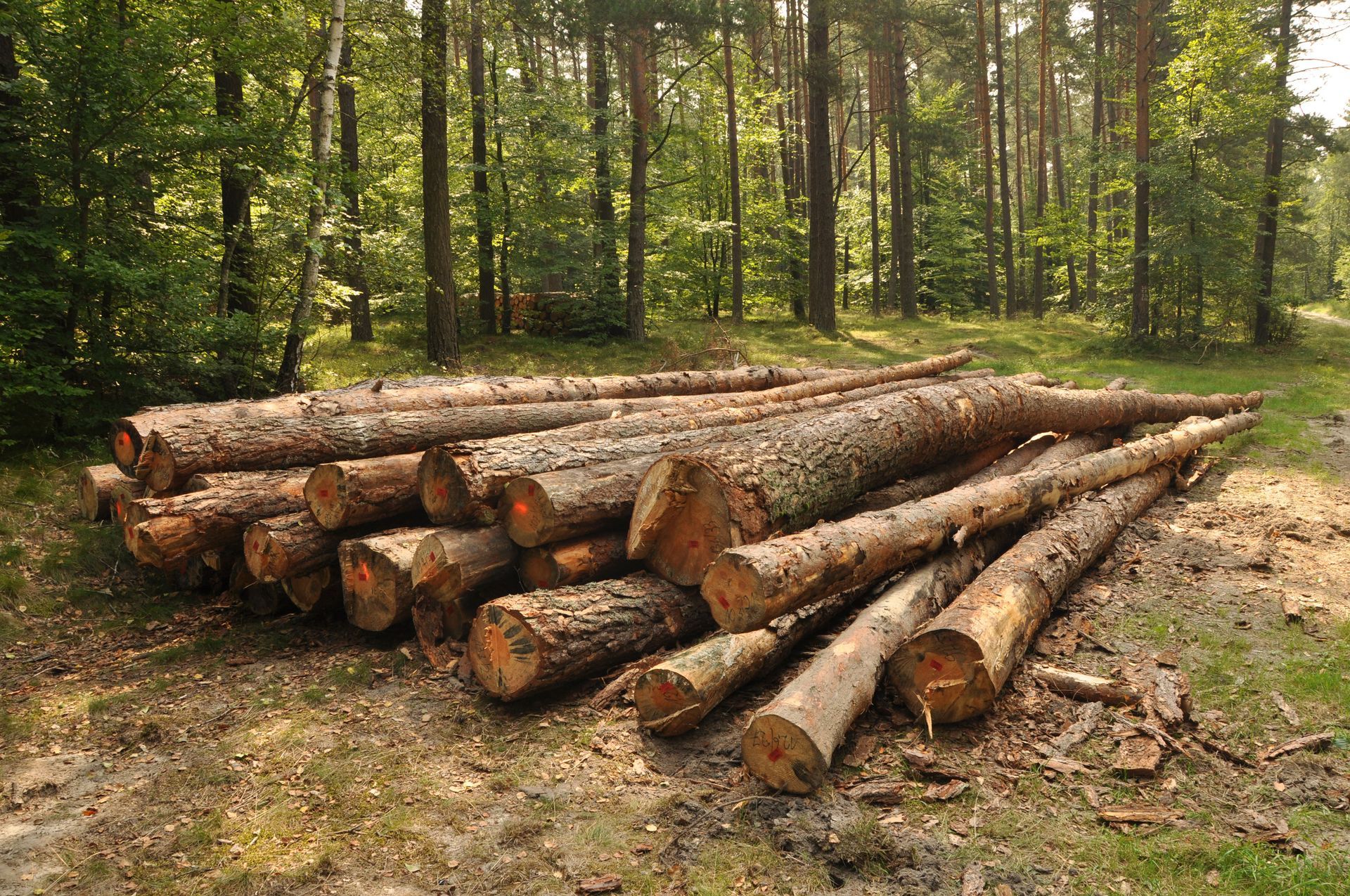
Using a professional land clearing company is often more cost-effective than manual methods due to advanced machinery and techniques. By using specialized equipment, companies can clear land more quickly and with greater precision. This efficiency reduces labor costs and minimizes time spent on site preparation. Furthermore, professional land clearers can identify valuable resources on-site, such as timber, that can be harvested and sold. Optimizing resources in this way provides a financial return and assists in offsetting project costs.
Cleared and properly prepared land tends to attract higher economic interest, thereby enhancing property values. Realtors and developers recognize well-cleared land as more appealing and market-ready, which boosts its valuation. According to the National Association of Realtors, only 4.7% of retail space was currently available for lease in June 2024, underscoring the competitive market for viable property. For buyers, professionally cleared land reduces the cost and time associated with further preparations for development. Consequently, this can lead to swifter sales and higher returns on investment for sellers.
The land clearing industry contributes to job creation by employing skilled labor for the operation of machinery and project management. In addition to direct employment, the industry supports ancillary jobs in sectors like equipment maintenance, logistics, and supply. As demand for cleared land grows with urban development, new opportunities arise in local economies. This growth fuels a cycle of economic advancement, drawing investments across multiple domains. By facilitating development projects, land clearing indirectly fosters economic expansion and improved infrastructure.
Well-prepared land appeals to businesses seeking to establish facilities quickly and efficiently. By reducing initial groundwork and development delays, companies can expedite the establishment of operations. Investors look for sites that minimize upfront effort and cost, recognizing the advantage of starting with a shovel-ready parcel. Professional land clearing ensures that amassed vegetation and terrain irregularities are dealt with promptly, providing a clean slate for new ventures. Consequently, communities benefit from attracting businesses, leading to regional economic development.
Initial investments in professional land clearing can lead to substantial savings in long-term maintenance. Well-cleared land promotes better drainage and reduces soil erosion, decreasing the need for future repairs. Additionally, cleared areas tend to require fewer interventions to manage unwanted vegetation growth and infestations. By mitigating immediate and future maintenance issues, property owners save considerably on operational costs. Over time, these savings contribute to making properties more financially sustainable and attractive for investors.
Environmental Impact and Conservation
Sustainable land clearing involves methods that balance development with ecological preservation. By employing low-impact strategies and selective clearing practices, companies can minimize environmental disruption. Professional land clearers often work with environmental experts to maintain local biodiversity and habitat integrity. Through sustainable practices, cleared lands are put to productive use without compromising natural ecosystems. This responsible approach supports long-term land productivity and ecosystem services.
Biodiversity conservation is a key component of modern land clearing projects. Professional services integrate ecological assessments to identify and protect valuable species. By adhering to conservation guidelines, land clearers safeguard native flora and fauna, ensuring they thrive alongside development. Strategies such as designated wildlife corridors or buffer zones around sensitive areas are implemented for protection. These efforts contribute to maintaining ecological balance and preserving biodiversity in the face of development pressures.
Uncontrolled land clearing can lead to significant soil erosion, impacting water quality and land productivity. Professional teams use erosion control measures like silt fences, riparian buffers, and re-vegetation to stabilize the land. By managing surface runoff and protecting soil integrity, these measures prevent loss of topsoil. Preventing erosion also protects nearby water bodies from sediment contamination, maintaining water quality. Long-term, these practices ensure that cleared lands remain arable and fit for development or natural restoration.
Technological Advancements in Land Clearing
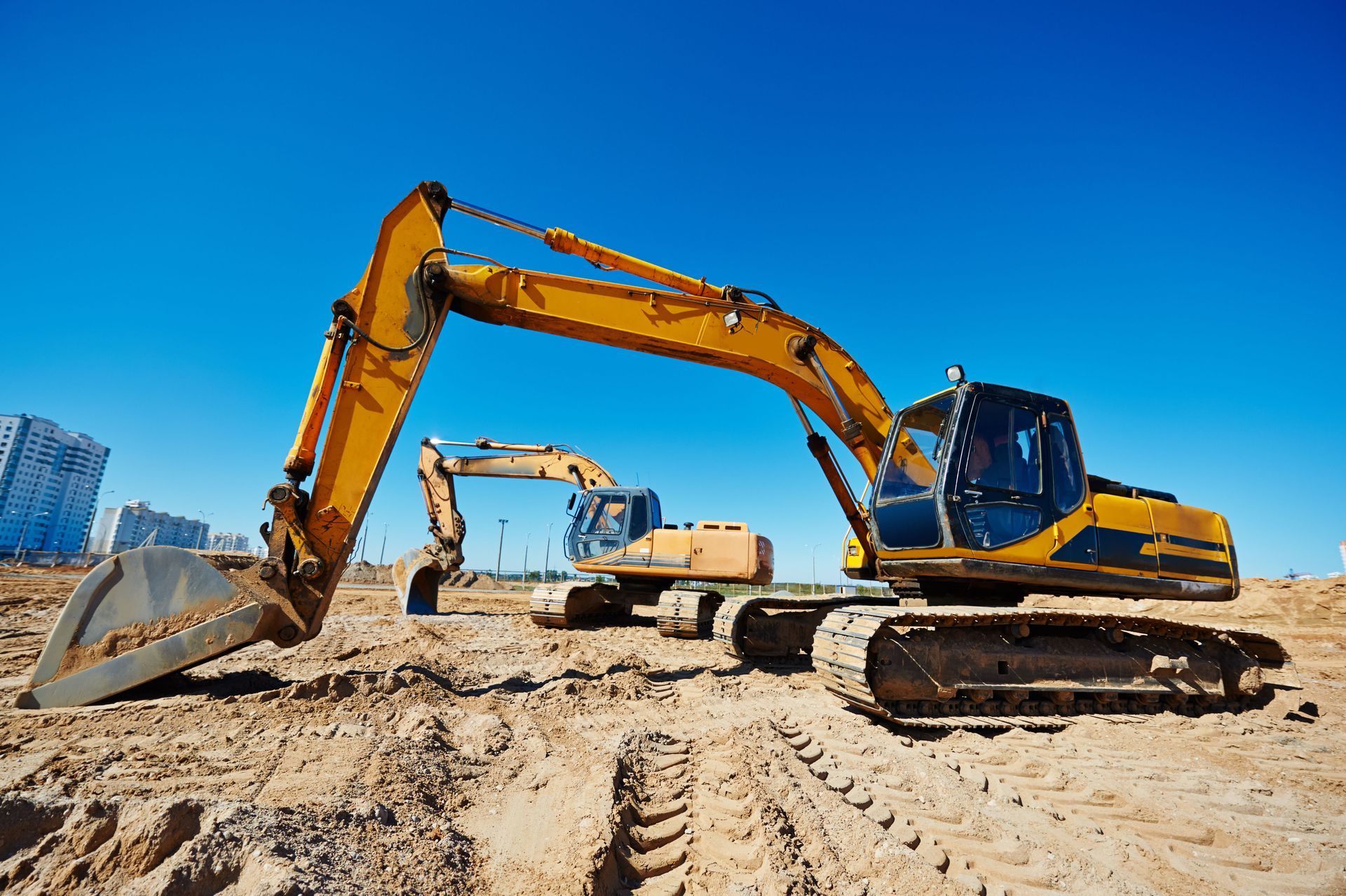
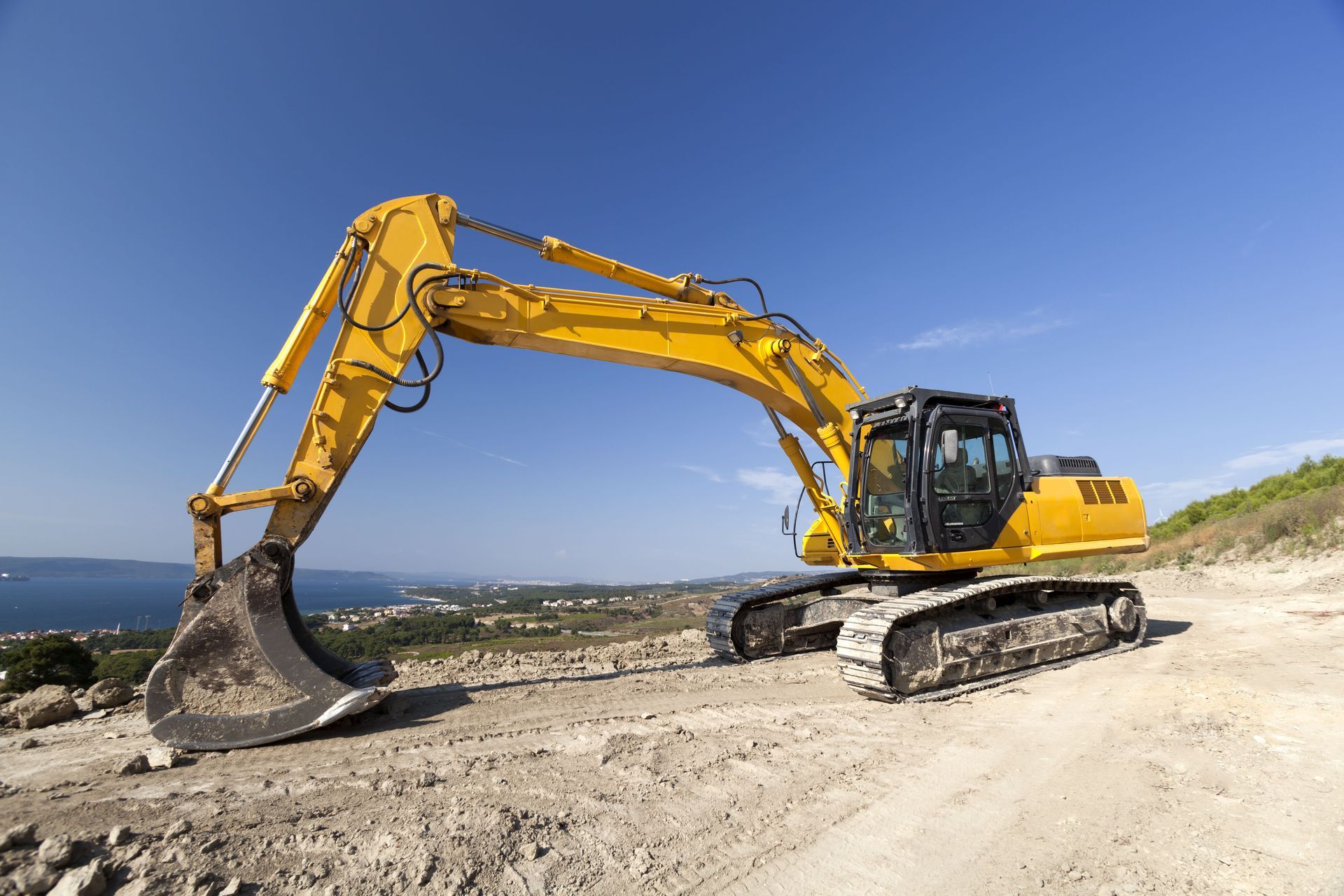
Modern land clearing employs advanced machinery that improves efficiency and precision in project execution. Equipment such as mulchers and hydro-ax machines enables quick removal of vegetation while preserving soil structure. Technological advancements in these machines reduce labor intensity and fuel consumption, leading to cost savings. Innovations also allow for precision-clearing, targeting specific zones without unnecessary disturbance. These advancements ensure that land clearing is quicker, safer, and more environmentally friendly.
Geographic Information Systems (GIS) and remote sensing technologies revolutionize the planning and execution of land clearing projects. GIS provides accurate mapping and spatial analysis, facilitating data-driven decision-making. Remote sensing allows for real-time monitoring of environmental impacts and project progression. By integrating these technologies, land clearers accurately assess terrains and optimize clearing operations. The holistic view provided by GIS and remote technologies enhances efficiency and reduces ecological disturbance.
Drones are increasingly used for surveying land due to their efficiency and ability to capture high-resolution images. These aerial views assist in assessing land conditions and planning the clearing process accurately. Drones also enable project managers to monitor clearing progress and track environmental impacts with ease. Their use lessens the need for extensive on-ground surveys, reducing costs and improving safety. This technology plays a pivotal role in refining land clearing methodologies, ensuring projects meet timelines and regulatory standards.
Legal and Regulatory Considerations
Zoning laws are fundamental in determining permissible land activities and influence land clearing decisions heavily. These regulations ensure that land use aligns with community plans, protecting public interests. Professional land clearers must understand zoning classifications to avoid legal impediments and project disruptions. Knowing zoning intricacies helps navigate requirements for commercial, residential, or mixed-use developments. Compliance with zoning laws ensures projects meet local standards and community expectations.
Environmental regulations play a crucial role in managing the impacts of land clearing on ecosystems and communities. Compliance involves adhering to laws governing endangered species protection, waste management, and water rights. Professional land clearers typically conduct environmental impact assessments to address potential concerns early. By following stringent guidelines, companies prevent legal action and ensure responsible stewardship of natural resources. Regulatory compliance fosters public trust and supports sustainable land development efforts.
Obtaining the necessary permits is a prerequisite for legal land clearing, often involving complex bureaucratic processes. Various permits, such as those for stormwater management or air quality, may be required depending on location and clearing methods. Navigating these processes can pose challenges due to regulatory variability and documentation requirements. Professional clearers streamline permitting by maintaining good relationships with local authorities and clearly understanding legal frameworks. Successful navigation of these processes ensures project approval without delays or penalties.
Professional land clearing plays a vital role in balancing economic progress, environmental conservation, and technological innovation. Its significance extends across various industries, contributing to long-term growth and sustainability. The industry's future hinges on embracing eco-friendly practices, harnessing technological advancements, and proactively tackling regulatory challenges. Ongoing investment and innovation are essential in optimizing land use and meeting emerging demands. By sustaining these efforts, the land clearing industry continues to drive pivotal developments that enhance economic, environmental, and technological constructs globally. For a professional
land clearing company you can count on, contact Canonica Tree Service today.